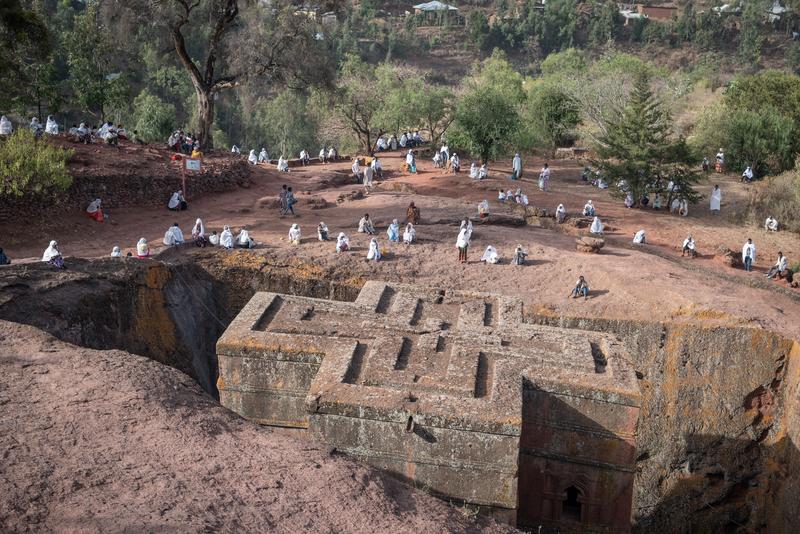
Lalibela is one of Ethiopia’s most extraordinary historical and spiritual destinations, celebrated worldwide for its magnificent rock-hewn churches. Built during the 12th century under King Lalibela, these monolithic churches were carved directly into volcanic rock and designed to represent a sacred “New Jerusalem.” Connected through hidden tunnels, trenches, and narrow pathways, the churches create a remarkable architectural complex unlike anywhere else in the world. Lalibela remains an active center of worship where ancient religious traditions continue to thrive, offering visitors a rare combination of living spirituality, history, and breathtaking craftsmanshi
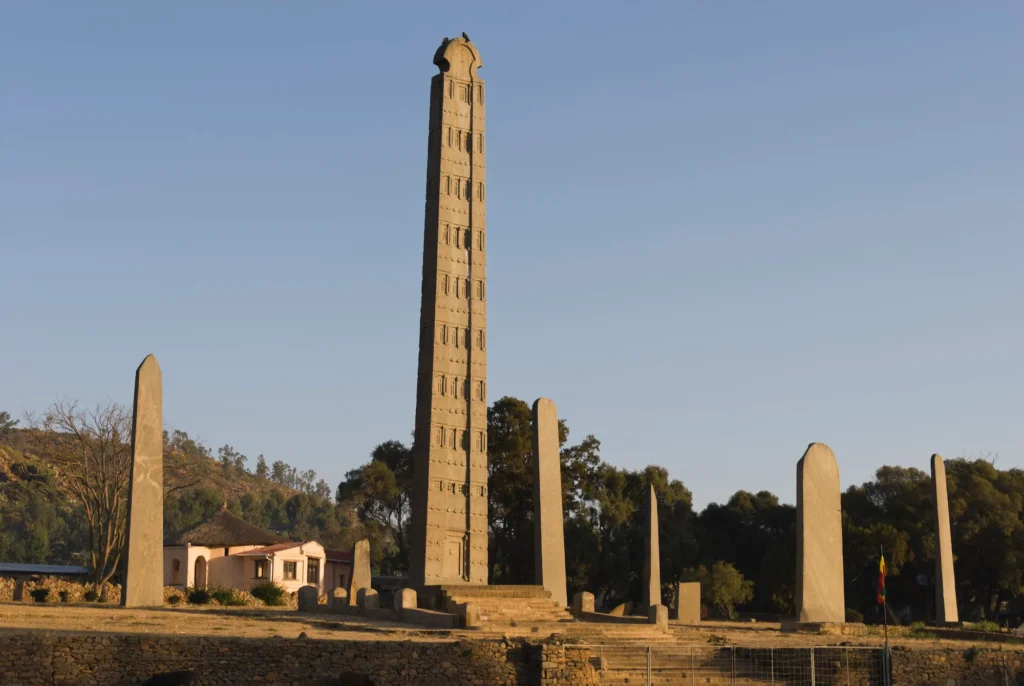
Axum is one of Africa’s most important ancient cities and the former heart of the powerful Axumite Kingdom. Once a major center of trade and civilization, the city is filled with archaeological treasures including towering obelisks, royal tombs, ancient inscriptions, and ruined palaces. Axum also holds deep religious importance as the traditional home of the Ark of the Covenant, believed to be kept within the Church of St. Mary of Zion. As the birthplace of Ethiopian Christianity and one of the great civilizations of the ancient world, Axum offers an unforgettable journey into Ethiopia’s rich historical and spiritual roots.
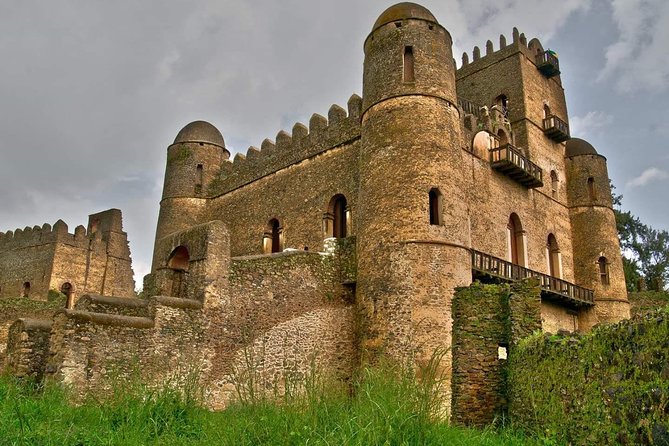
Known as the “Camelot of Africa,” Gondar is famous for its royal castles, imperial history, and unique architectural heritage. During the 17th and 18th centuries, the city served as Ethiopia’s imperial capital and became home to grand palaces and churches built by Emperor Fasilides and successive rulers. The Royal Enclosure, also called Fasil Ghebbi, showcases impressive castles and royal residences surrounded by fortified walls. Gondar is also celebrated for the historic Debre Berhan Selassie Church, renowned for its colorful angel-covered ceiling and beautiful religious paintings. The city’s blend of Ethiopian and foreign architectural influences makes it one of the country’s most fascinating cultural destinations.
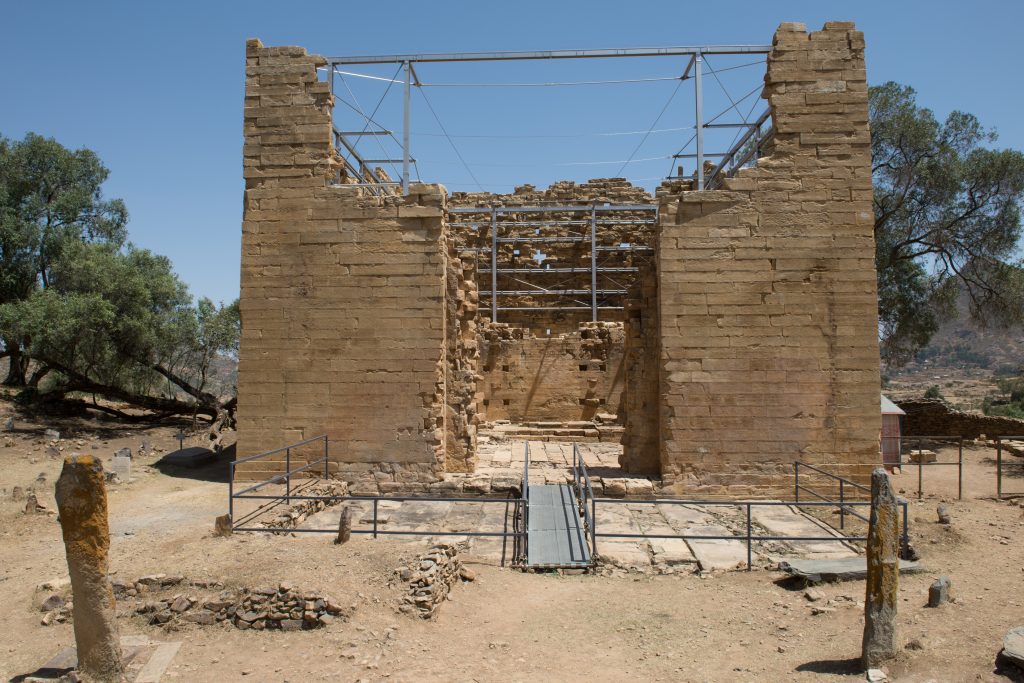
Yeha is considered Ethiopia’s oldest known urban settlement and provides remarkable insight into the country’s earliest civilizations. The ancient Temple of Yeha, dating back nearly 3,000 years, is one of the finest surviving examples of pre-Axumite architecture in the region. Constructed with precisely cut stone blocks fitted together without mortar, the temple reflects strong connections between ancient Ethiopia and South Arabian civilizations. The nearby monastery and archaeological remains further enrich the historical importance of the area, making Yeha an exceptional destination for travelers interested in archaeology and ancient history.
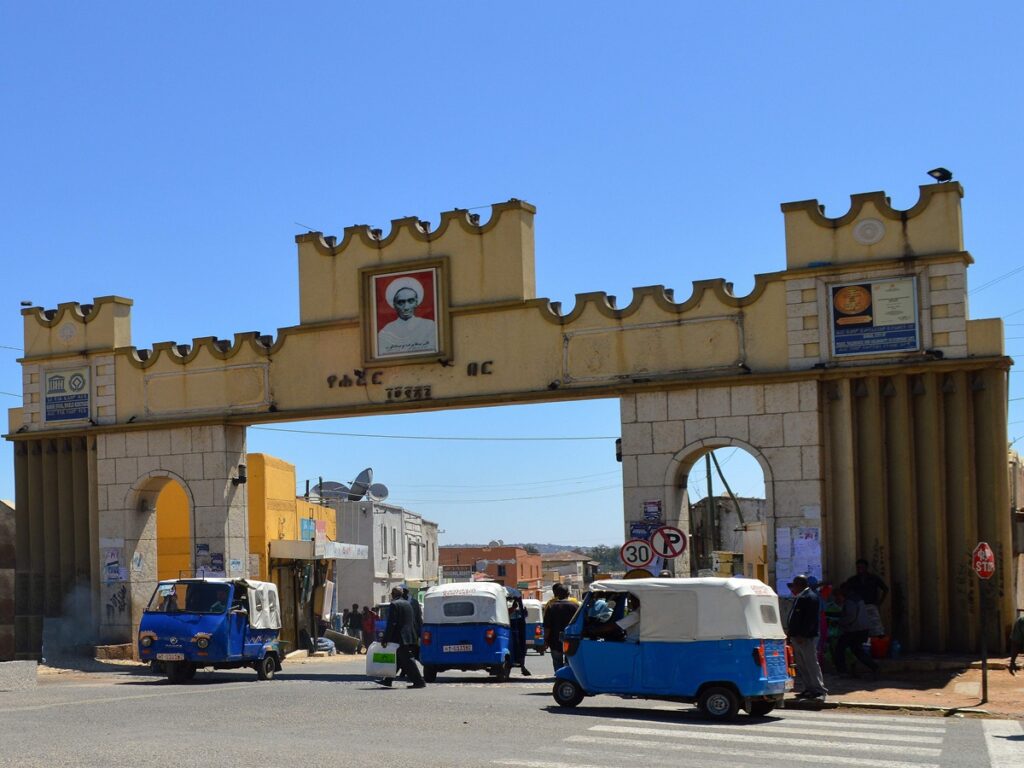
Harar Jugol is one of Ethiopia’s most culturally unique cities and is regarded as one of Islam’s holiest centers. Surrounded by centuries-old defensive walls, the old city is home to narrow alleyways, traditional homes, vibrant markets, shrines, and more than eighty mosques. Harar has long served as a center of Islamic scholarship and trade in the Horn of Africa, creating a rich blend of cultures and traditions. Visitors can experience the city’s colorful atmosphere, distinctive architecture, and famous evening hyena feeding tradition, which has become one of Harar’s most iconic cultural experiences.

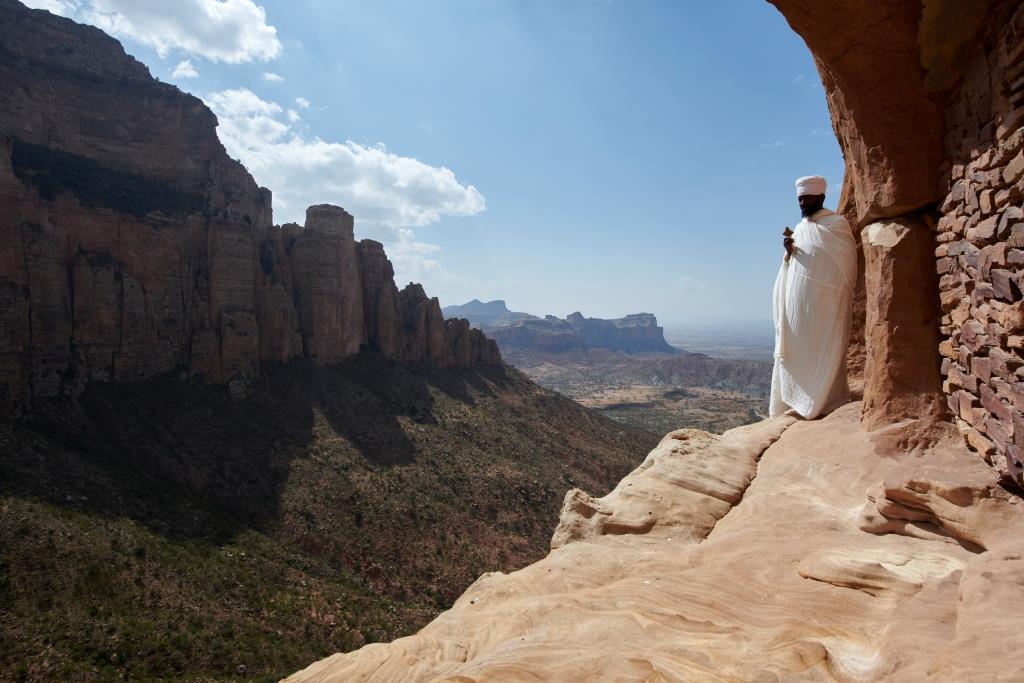
The Gheralta region is renowned for its dramatic mountain landscapes and ancient rock-hewn churches hidden among towering sandstone cliffs. Many of these churches are reached through adventurous climbs that reward visitors with spectacular panoramic views and peaceful surroundings. Inside, travelers can discover centuries-old murals, religious manuscripts, and sacred artifacts that have been preserved for generations. Gheralta combines spiritual history, breathtaking scenery, and adventure, making it one of northern Ethiopia’s most unforgettable destinations.
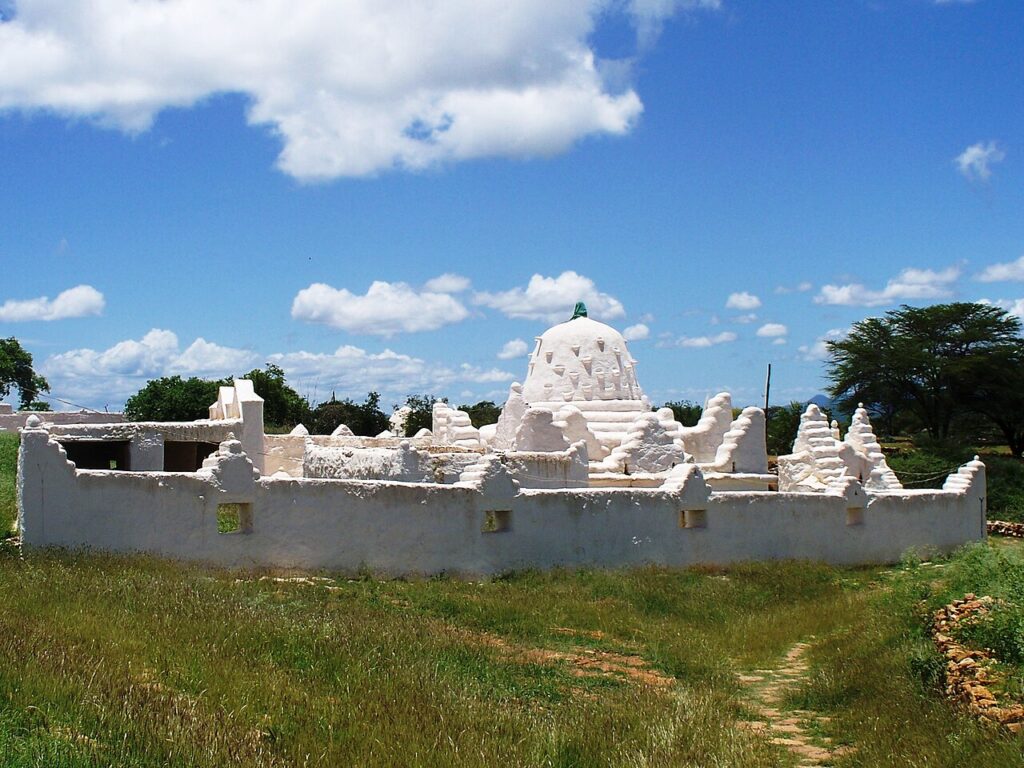
Dire Sheikh Hussein is one of Ethiopia’s most respected Islamic pilgrimage destinations and an important symbol of the country’s religious heritage. The site honors Sheikh Hussein, a revered Muslim saint whose teachings greatly influenced the spread of Islam throughout the region. Visitors can explore sacred shrines, ancient stone structures, and ceremonial gathering areas that continue to attract thousands of pilgrims every year. The peaceful atmosphere and spiritual importance of Dire Sheikh Hussein make it a meaningful destination for those interested in Ethiopia’s diverse religious traditions.