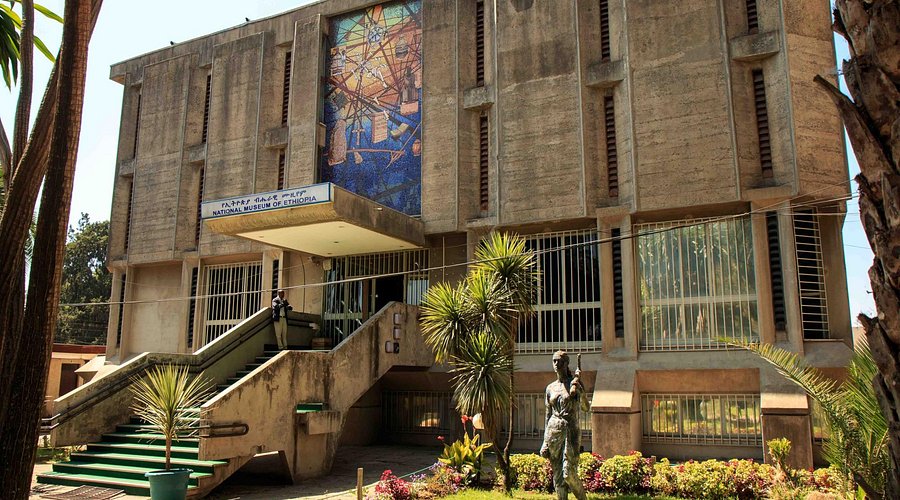
The National Museum of Ethiopia offers an unforgettable journey through the country’s remarkable past. Best known as the home of Lucy, locally called Dinknesh, the famous 3.2-million-year-old fossil discovery, the museum highlights Ethiopia’s place in human history. Beyond this world-famous exhibit, visitors can explore ancient archaeological findings, royal collections, cultural artifacts, and traditional objects representing Ethiopia’s many ethnic communities. The museum also features impressive religious artwork and modern Ethiopian paintings that reflect the nation’s artistic evolution through the centuries.
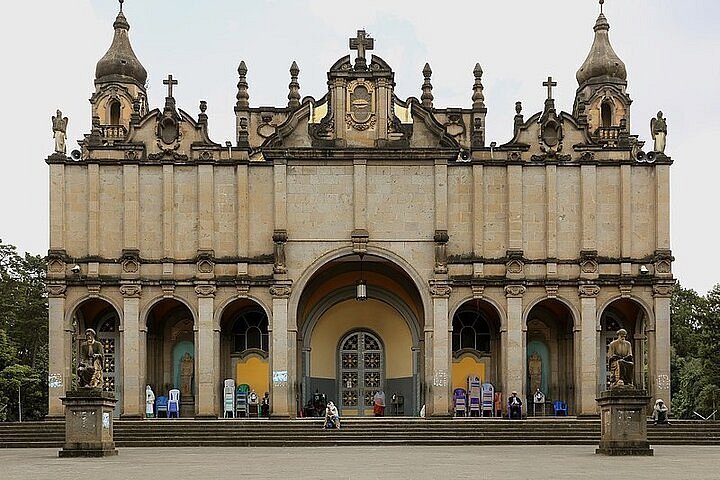
Holy Trinity Cathedral stands among Ethiopia’s most important religious landmarks and carries deep historical significance. Built after the liberation from Italian occupation, the cathedral symbolizes faith, victory, and national pride. Inside, visitors are welcomed by elegant stained-glass windows, detailed religious artwork, and beautifully designed interiors blending Ethiopian and European influences. The cathedral is also the burial site of Emperor Haile Selassie I and Empress Menen Asfaw, making it a meaningful destination for those interested in Ethiopia’s imperial and spiritual heritage.
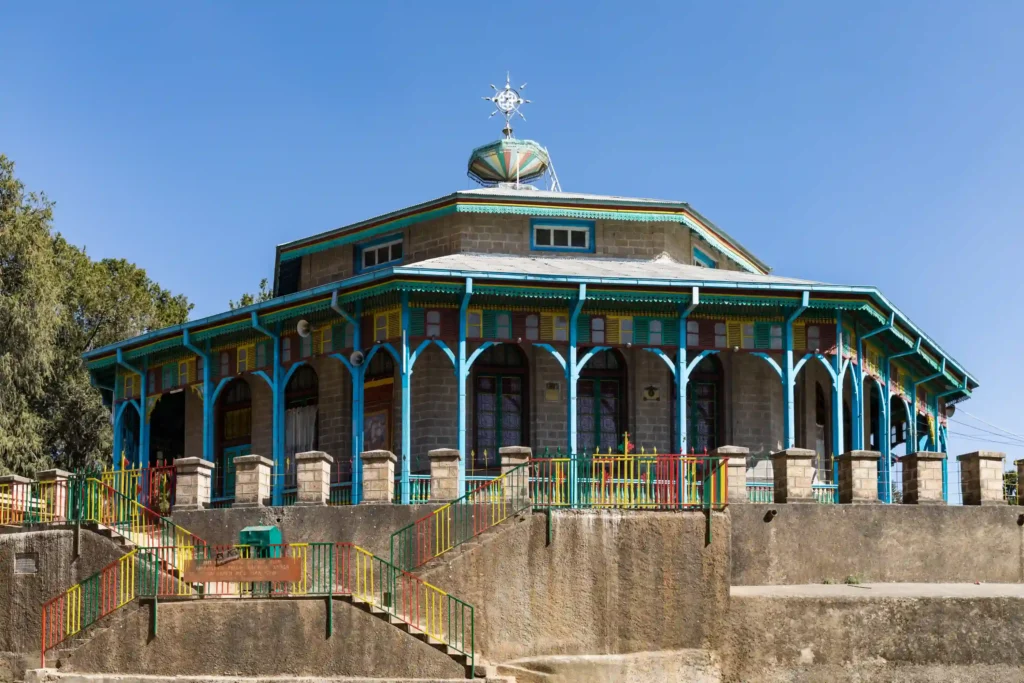
Overlooking Addis Ababa, the Entoto Hills provide fresh mountain air, panoramic scenery, and a peaceful atmosphere surrounded by eucalyptus forests. This historic area once served as the seat of Emperor Menelik II before the founding of modern Addis Ababa. Visitors can discover the historic Entoto Maryam Church, admired for its religious importance and traditional architecture, as well as Menelik II’s former palace. The nearby observatory and research center add a modern dimension to this historic destination, making Entoto a unique blend of culture, history, and nature.
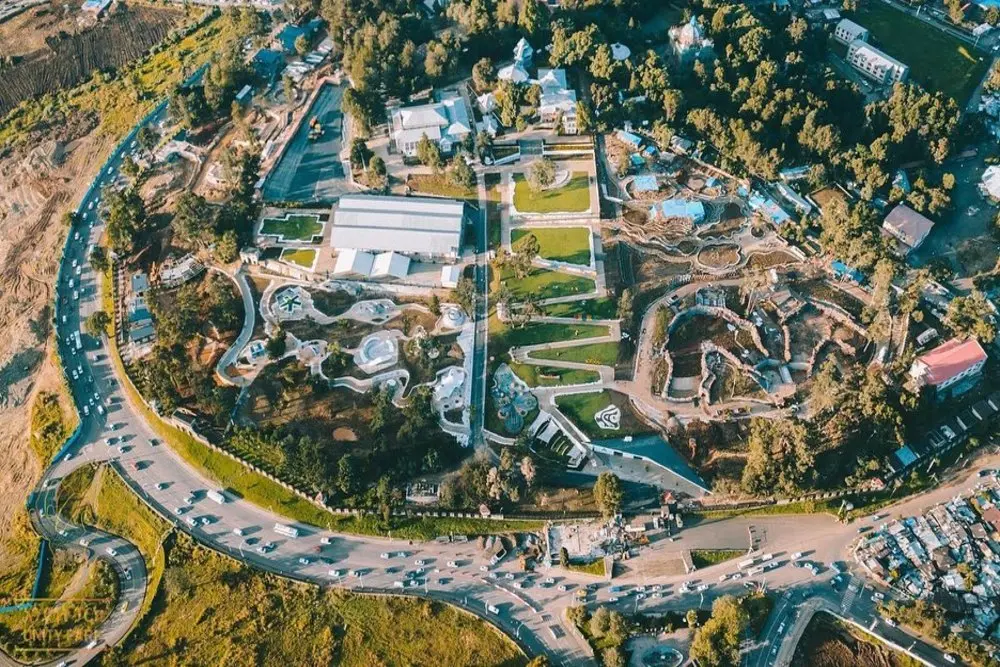
Situated within the grounds of Ethiopia’s historic Grand Palace, Unity Park offers a beautifully curated experience that combines history, culture, and recreation. The park showcases restored imperial buildings, lush gardens, cultural exhibition spaces, museums, and wildlife areas. Guests can explore royal halls, historical collections, and displays celebrating Ethiopia’s diverse traditions. With its elegant landscaping and informative exhibits, Unity Park has become one of Addis Ababa’s leading attractions for both local and international visitors.

Merkato is one of the largest open-air marketplaces in Africa and a true reflection of everyday life in Addis Ababa. The market is filled with endless activity, colorful stalls, and lively interactions between merchants and shoppers. Visitors can browse spices, coffee, textiles, handcrafted goods, traditional baskets, jewelry, and countless local products. Walking through Merkato is an exciting cultural experience that reveals the energy and diversity of Ethiopia’s commercial life.
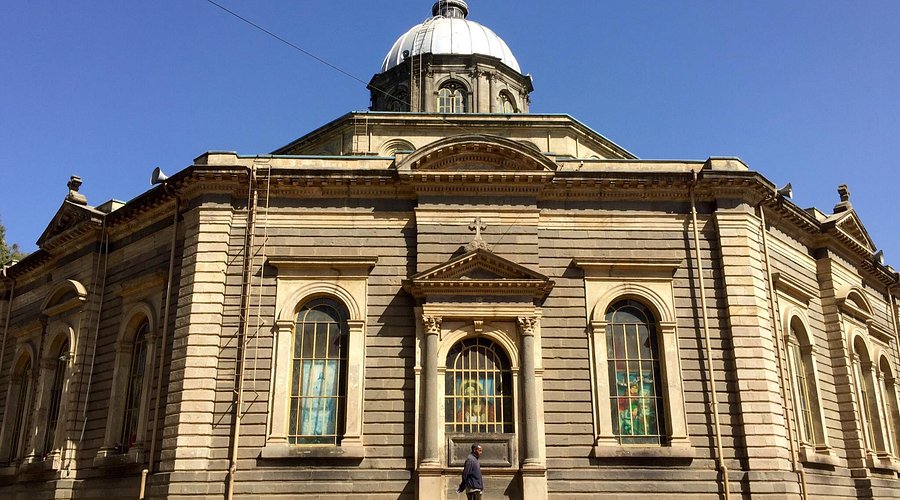
Built to commemorate Ethiopia’s historic victory at the Battle of Adwa, St. George Cathedral remains one of the city’s most treasured religious sites. Its distinctive octagonal structure, beautiful murals, and sacred artwork reflect the richness of Ethiopian Orthodox traditions. The cathedral’s museum contains ancient manuscripts, ceremonial objects, and royal memorabilia, offering visitors valuable insight into Ethiopia’s spiritual and historical legacy.
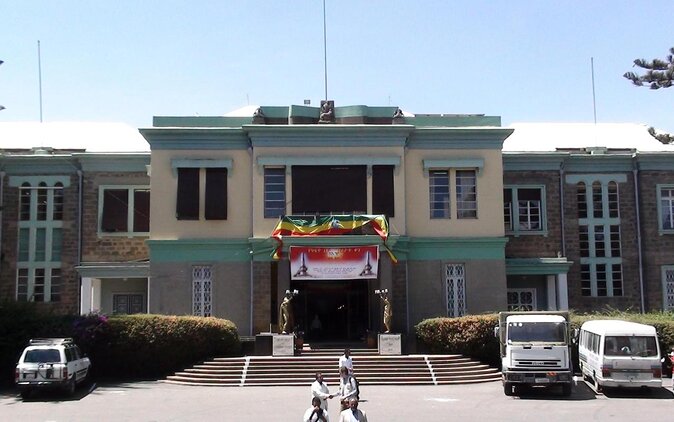
Located inside the former palace of Emperor Haile Selassie at Addis Ababa University, the Ethnological Museum provides a fascinating introduction to Ethiopia’s cultural diversity. Its collections feature traditional clothing, musical instruments, household items, and cultural displays representing communities from across the country. One of the museum’s highlights is the preserved private residence of Emperor Haile Selassie, which offers visitors a closer look into Ethiopia’s royal history and way of life.
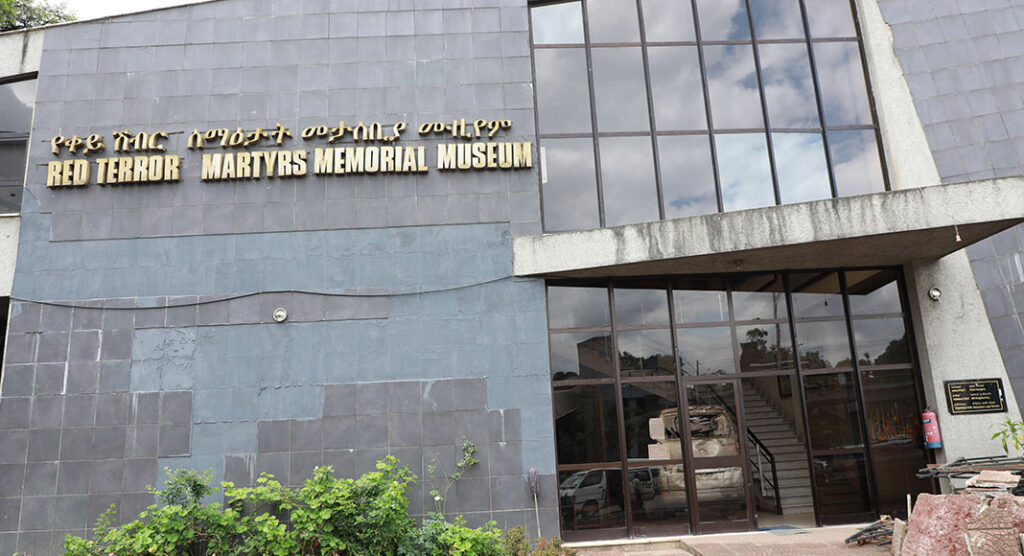
The Red Terror Martyrs Memorial Museum preserves the memory of those affected during one of Ethiopia’s most difficult political periods. Through photographs, documents, testimonies, and personal belongings, the museum presents an honest and educational account of the Red Terror era. Though emotional, the experience provides important historical understanding and reflects the resilience of the Ethiopian people.
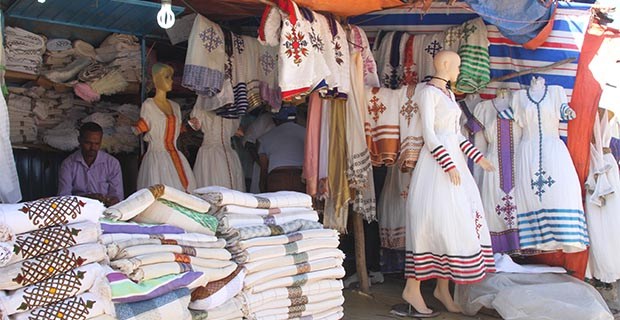
Shiro Meda is one of the best places in Addis Ababa to discover traditional Ethiopian fashion and handicrafts. The market is known for its beautifully handwoven garments, embroidered dresses, scarves, shawls, and locally made accessories. Visitors can meet artisans, watch traditional weaving techniques, and shop for authentic souvenirs that showcase Ethiopia’s rich cultural identity.