Relax Ethiopia
Tour and Travel

Tribes Of Omo

Hamar Tribe

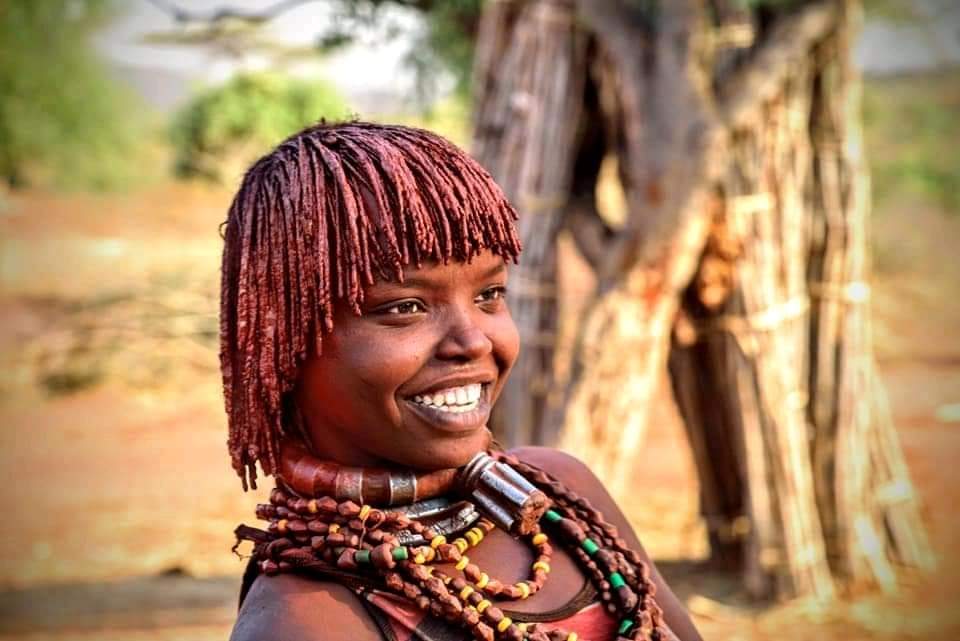
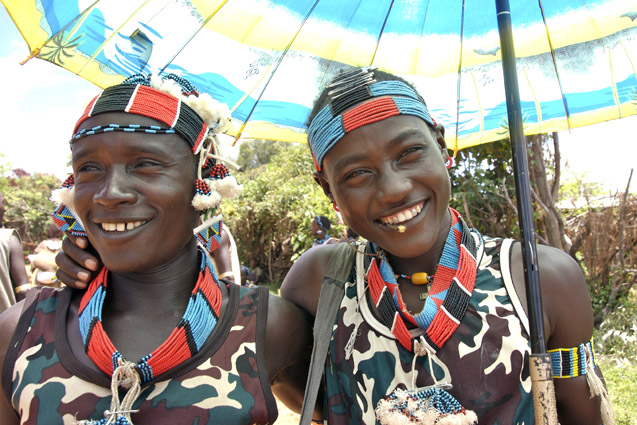
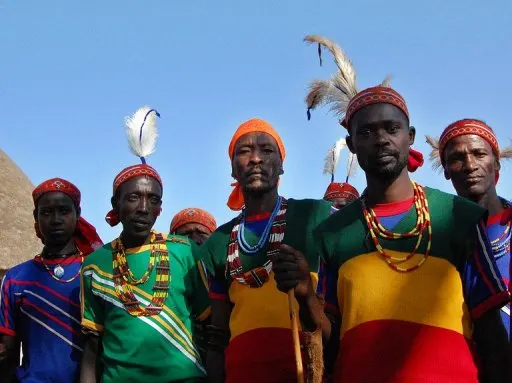
The Hamar people are among the most well-known communities of the Omo Valley, celebrated for their vibrant traditions and distinctive cultural identity. They are especially recognized for the famous bull-jumping ceremony, an important rite of passage marking the transition of young men into adulthood. Hamar women are admired for their beautifully braided hair coated with butter and ochre, along with colorful beadwork and traditional leather garments. Music, dancing, and communal celebrations remain central to their way of life, creating memorable cultural experiences for visitors exploring southern Ethiopia.

Mursi Tribe

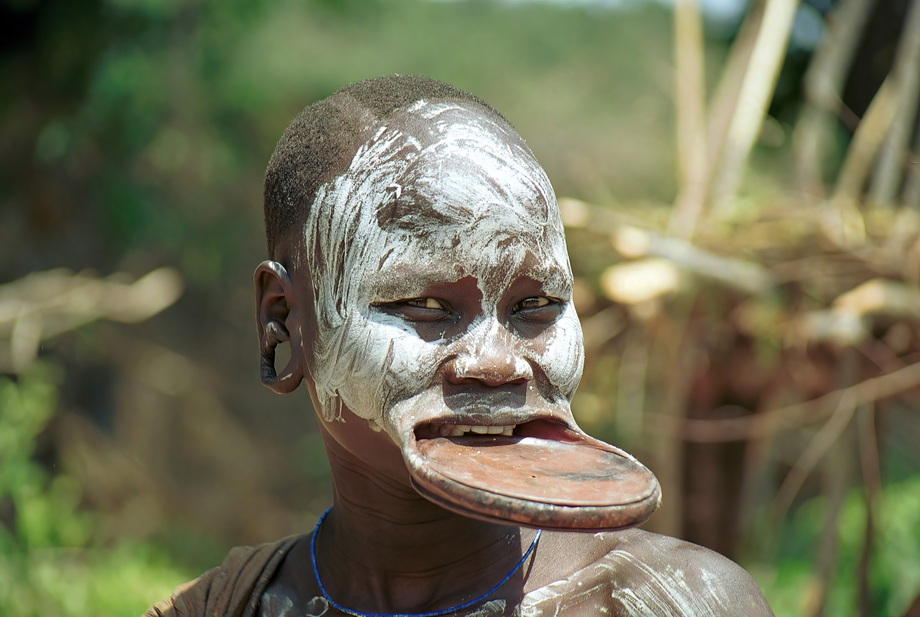
The Mursi are one of the most iconic ethnic groups in the Omo Valley and are internationally recognized for the clay lip plates traditionally worn by women. Living mainly around Mago National Park, the Mursi maintain a pastoral lifestyle centered around cattle herding and strong tribal traditions. Men are often known for ceremonial scarification and cultural rituals that symbolize bravery and identity. Despite increasing outside attention, the Mursi continue to preserve customs and social structures that reflect generations of cultural heritage and resilience.

Karo Tribe

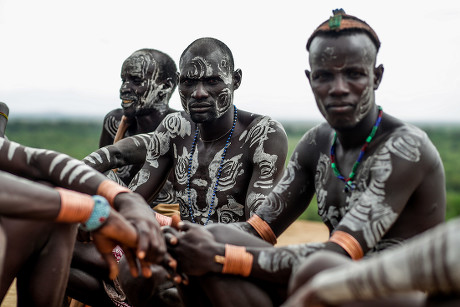
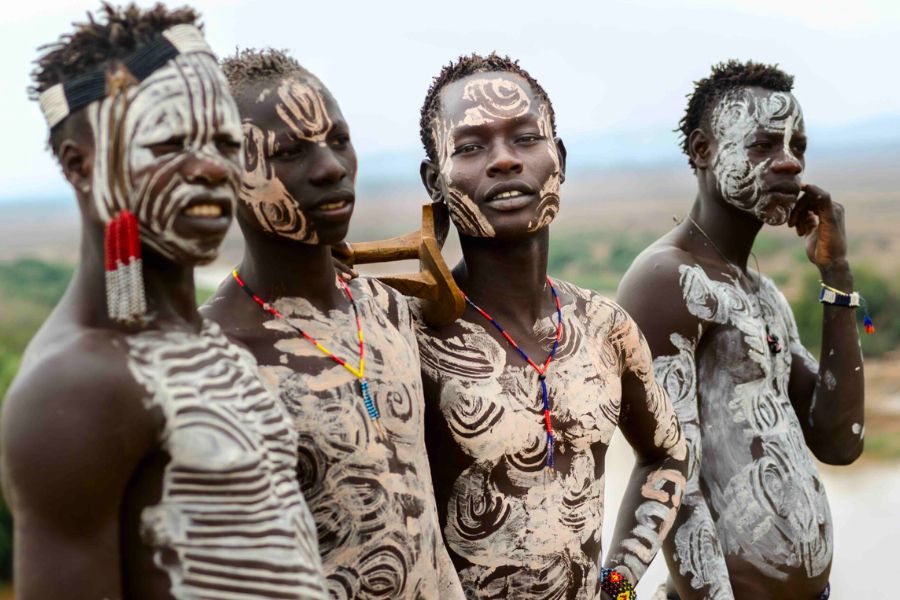
The Karo people are one of the smallest tribes in the Omo Valley but are widely admired for their extraordinary artistic expression. Living along the banks of the Omo River, they are famous for intricate body painting created with white chalk, charcoal, and natural pigments. These decorative designs are often worn during ceremonies and social gatherings. The Karo combine farming, fishing, and livestock keeping with a rich cultural tradition that offers visitors a fascinating glimpse into one of Ethiopia’s most visually distinctive communities.

Dassanech Tribe

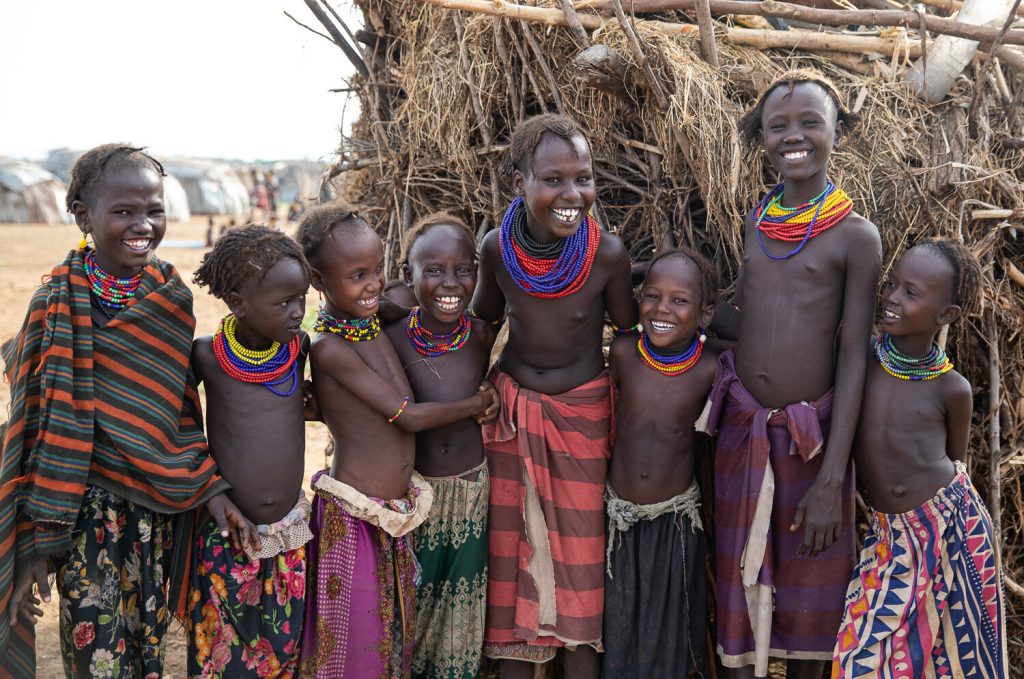
The Dassanech people inhabit the arid regions near the lower Omo River and Lake Turkana. Their lifestyle revolves around cattle herding, fishing, and adapting to the harsh environmental conditions of the region. Known for their creativity and resilience, the Dassanech often craft decorative jewelry and accessories from recycled materials and natural resources. Their villages and cultural traditions provide insight into the adaptability and communal strength that have sustained them for generations in one of Ethiopia’s most remote landscapes.

Banna Tribe

The Banna people are closely related to the Hamar and share many cultural traditions, including colorful body adornment and ceremonial gatherings. Living in the highland areas between Jinka and Turmi, the Banna maintain a semi-nomadic lifestyle centered around livestock and local agriculture. Weekly markets are important social and economic events where visitors can experience traditional clothing, jewelry, and cultural interaction in a lively atmosphere surrounded by scenic landscapes.

Arbore Tribe

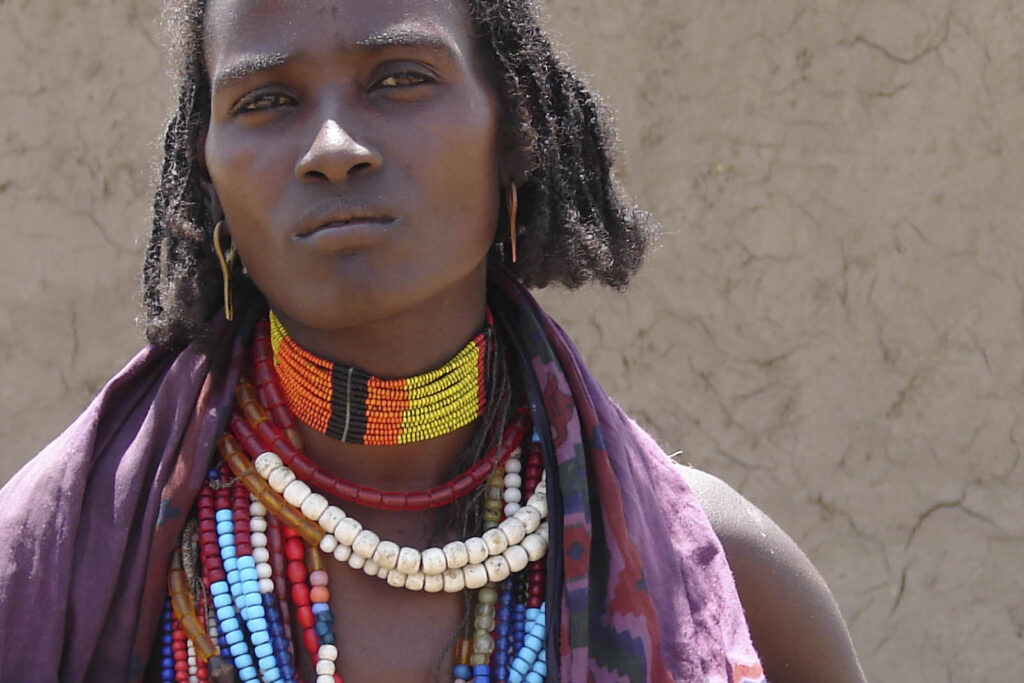
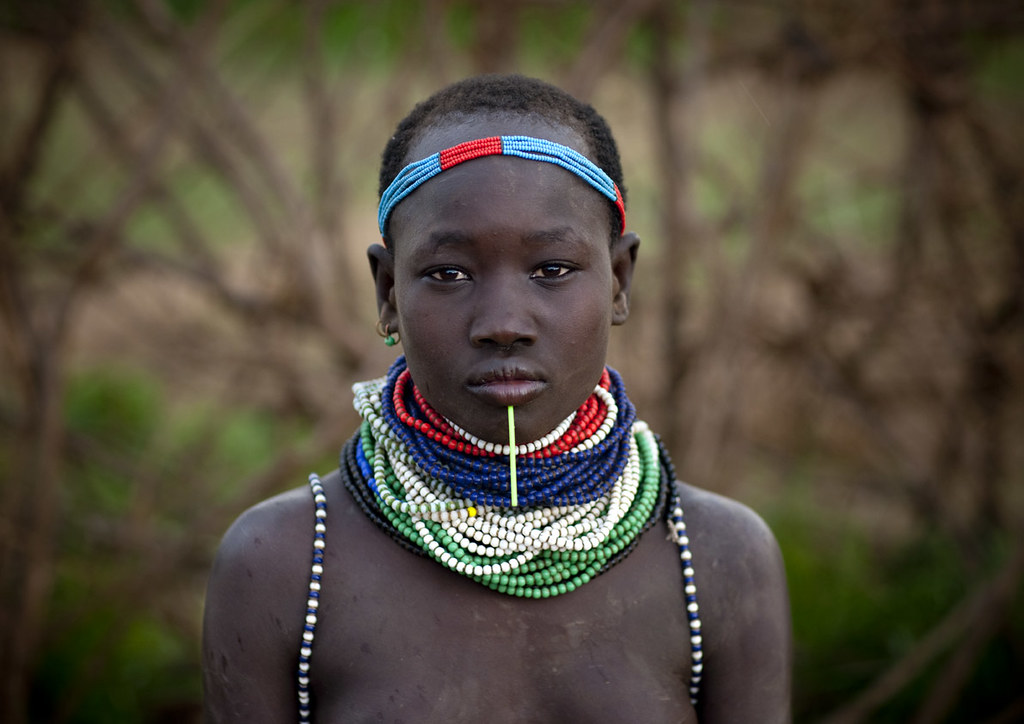
The Arbore people, also known as Erbore, are known for their peaceful communities and beautifully decorated villages near the Omo Valley region. Their culture places strong emphasis on family life, livestock, and traditional ceremonies. Arbore women often wear colorful beads and handcrafted ornaments that reflect their cultural identity. Their remote location and preserved traditions offer visitors a genuine experience of Ethiopia’s rich ethnic diversity.

Tsemay Tribe

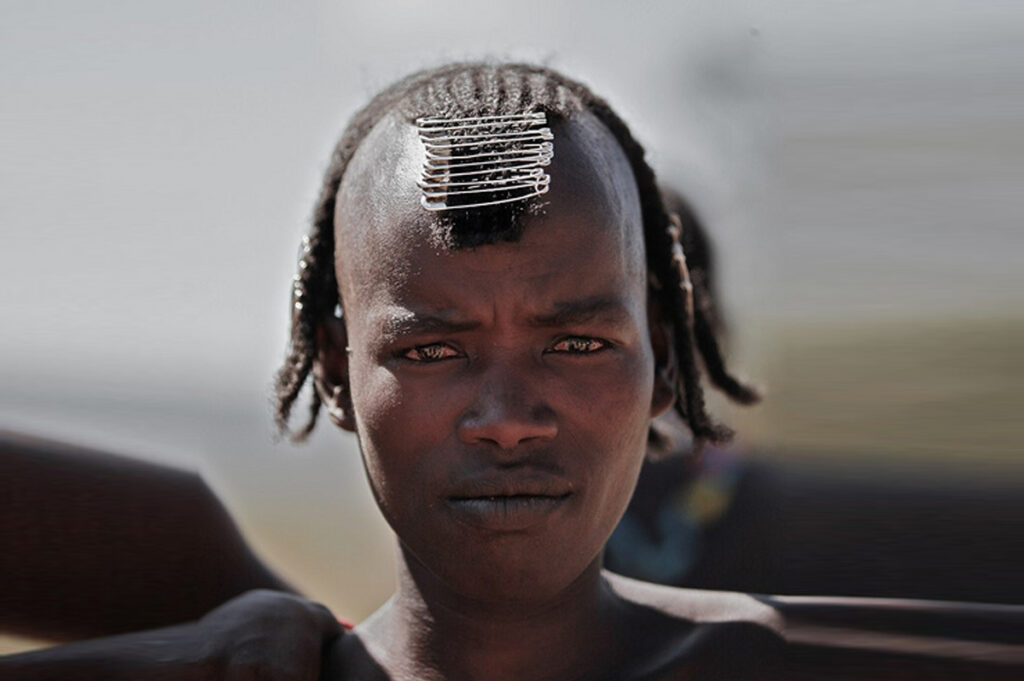
The Tsemay people live between the Weyto and Konso regions and maintain a semi-nomadic way of life shaped by livestock herding and trade. They are recognized for their decorative beadwork, metal jewelry, and traditional hairstyles. Local markets provide excellent opportunities to witness Tsemay culture through clothing, crafts, and social interaction. Their strong clan relationships and enduring traditions continue to define their cultural identity.

Bodi Tribe

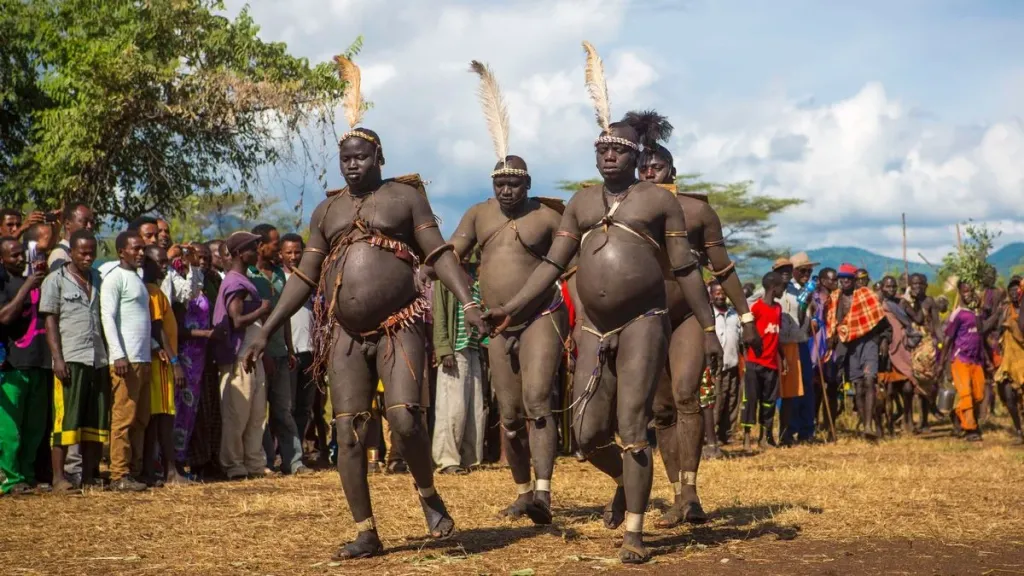
The Bodi, also known as the Me’en-Bodi, live west of the Omo River in relatively isolated communities where ancient traditions remain deeply preserved. They are especially known for the Ka’el ceremony, a unique cultural celebration involving ceremonial preparation, body decoration, and community gatherings. Cattle hold strong spiritual and economic significance within Bodi society, and their traditions reflect a deep connection to both nature and ancestral customs.

Dorze People

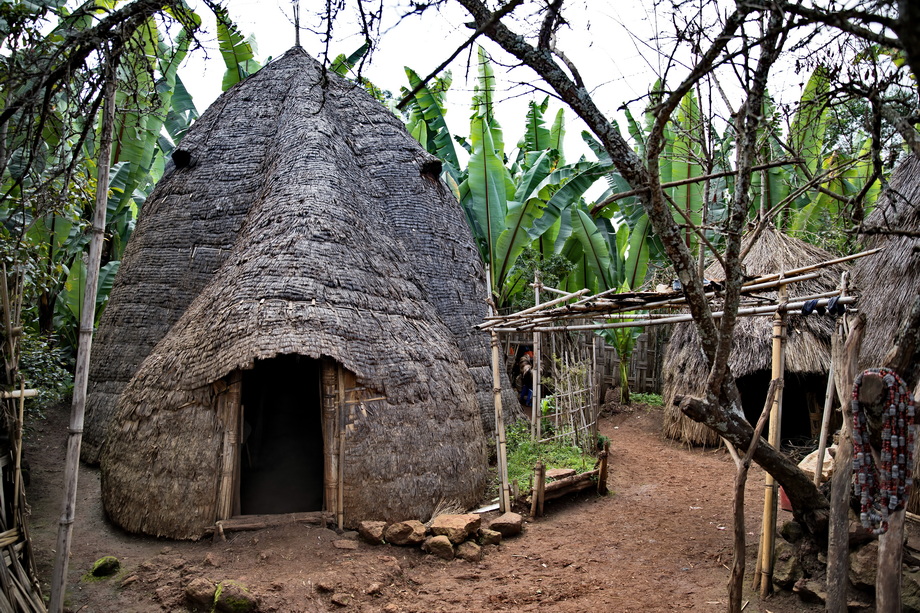
The Dorze people live in the highlands near Arba Minch and are famous for their towering bamboo houses shaped like beehives. Skilled in weaving and craftsmanship, the Dorze produce traditional cotton textiles that are highly valued throughout Ethiopia. Their culture is closely tied to farming, particularly the cultivation of enset, commonly known as false banana. Visitors are often fascinated by the Dorze’s architectural creativity, communal lifestyle, and welcoming hospitality.

Konso People

The Konso people are internationally recognized for their impressive terraced farming systems, which have earned UNESCO World Heritage recognition. Living in fortified hilltop villages, the Konso have developed advanced agricultural methods that preserve soil and water across the rugged landscape. They are also known for carved wooden statues called waka, created to honor respected community members and ancestors. Their strong social organization and environmental knowledge make the Konso one of Ethiopia’s most culturally significant communities.

Nyangatom People

The Nyangatom people inhabit the remote border regions of southwestern Ethiopia near Kenya and South Sudan. Their culture revolves around cattle herding, which plays a major role in social life, wealth, and ceremonies. Nyangatom women are known for elaborate beadwork, metal jewelry, and creative decorative styles. Despite living in a challenging environment, the community maintains strong traditions centered around unity, survival, and cultural pride.

Ari People

The Ari are one of the largest ethnic groups in southern Ethiopia and are known for their agricultural lifestyle and skilled craftsmanship. Living mainly around Jinka, the Ari cultivate fertile farmland and produce pottery, blacksmith work, weaving, and wood carvings. Their villages reflect a stable farming culture deeply connected to the land and local traditions. The Ari play an important role in regional trade and are respected for their hardworking and diverse cultural practices.

Surma People

The Surma, also known as the Suri, are famous for their striking body painting, ceremonial traditions, and strong warrior culture. Women traditionally wear lip plates as symbols of beauty and identity, while young men participate in donga stick fighting competitions that demonstrate courage and skill. Living in the remote southwestern lowlands, the Surma have preserved a deeply rooted cultural identity shaped by independence, community, and ancestral customs. Their unique traditions continue to make them one of Ethiopia’s most fascinating indigenous groups.

Translate »